Categorías
nuevo blog
Introducción a la desinfección UVC para desarrolladores de productos: longitud de onda, dosis, sombreado y envejecimiento de materiales
Eldesarrollo dedesinfectantes UV específicos para cada aplicacióny equipos de desinfección especializadosa menudo se reduce a un simple ejercicio de especificación.—Seleccione una longitud de onda, asigne un nivel de potencia y defina un tiempo de ciclo. En la práctica, esta simplificación rara vez se mantiene al entrar en contacto con la geometría real del producto y la variabilidad de la producción en masa.—Se selecciona una longitud de onda, se asigna un nivel de potencia y se define un tiempo de ciclo. En la práctica, esta simplificación rara vez se mantiene al enfrentarse a la geometría real del producto y a la variabilidad de la producción en masa. El rendimiento real de la desinfección depende de cómo se distribuye la energía óptica en el espacio, de la consistencia con la que se reproduce dicha distribución durante la fabricación y de cómo se comporta el sistema con el paso del tiempo a medida que los materiales y componentes envejecen.
De la longitud de onda a la dosis: por qué la salida óptica no es lo mismo que el rendimiento de desinfección.
Los sistemas UVC utilizados en aplicaciones de productos suelen operar en el rango de 200–Rango de 280 nm, con 254 nm (lámparas de mercurio de baja presión) y 265 nm.–Las luces LED UVC de 280 nm son las opciones predominantes. El mecanismo biológico está bien establecido: la radiación UVC daña el ADN y el ARN microbianos, impidiendo su replicación.
Sin embargo, este mecanismo solo cobra relevancia cuando la energía suficiente llega a la superficie objetivo. Lo que en última instancia determina la eficacia es la dosis, generalmente expresada en mJ/cm².², que es la integral de la irradiancia a lo largo del tiempo. Esta distinción es fundamental en la ingeniería de productos. La potencia eléctrica o la clasificación óptica de un LED describe la fuente, no la energía suministrada a la superficie del objeto.
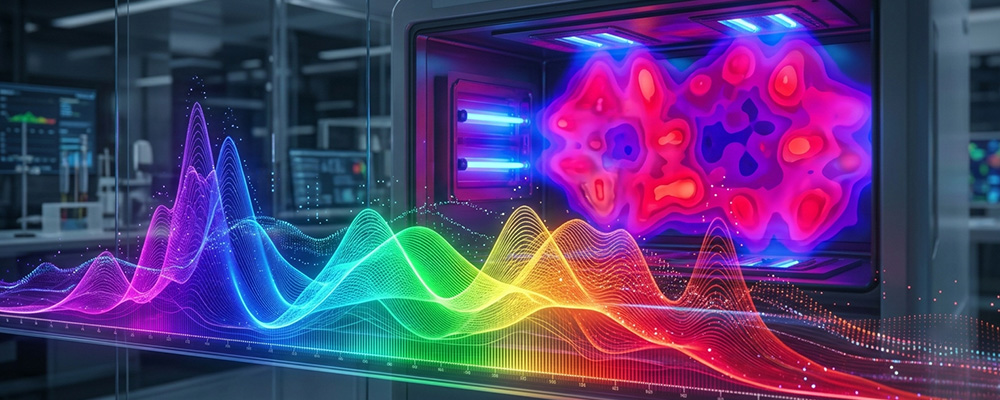
Una vez que la luz entra en un recinto cerrado, aparecen inmediatamente varios mecanismos de pérdida. La dispersión geométrica reduce la intensidad con la distancia. La reflexión de las paredes internas nunca es completamente eficiente en el espectro UVC. Los plásticos, los recubrimientos e incluso la absorción del aire introducen una atenuación adicional. Como resultado, la“salida nominal”de un módulo UVC y el“mapa de dosis efectiva”Dentro de una cámara de producto, las variaciones suelen ser significativas.
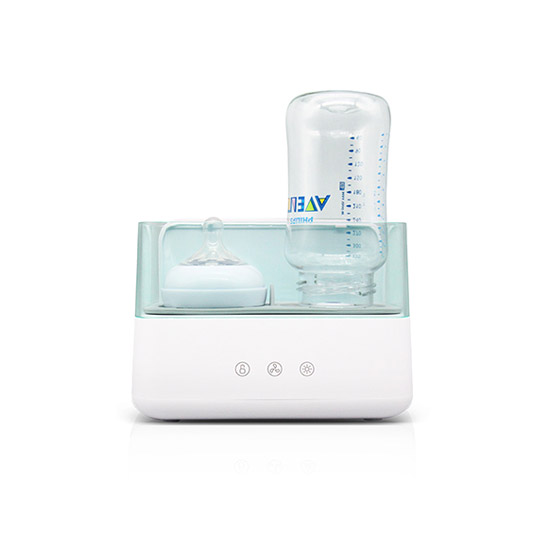
Por esta razón, la validación funcional no puede basarse en mediciones puntuales o lecturas de sensores de una sola ubicación. Lo que importa es la distribución espacial de la dosis en todo el volumen útil de la cámara. En productos compactos como esterilizadores de botellas ocajas de desinfección portátiles,Pequeños cambios en la ubicación de los LED o en las dimensiones de la cavidad pueden modificar esta distribución lo suficiente como para afectar el rendimiento en condiciones reales.
Sombras y geometría óptica: el modo de fallo dominante en condiciones de uso reales.
Si la dosis define la capacidad teórica, el sombreado define las limitaciones prácticas. La radiación UVC viaja en línea recta y no penetra materiales opacos ni semiopacos, ni siquiera la mayoría de los polímeros visualmente transparentes ni el vidrio estándar. Cualquier obstrucción entre el emisor y la superficie objetivo crea una zona de exposición reducida o nula.
En situaciones reales de uso, los objetos rara vez son simples o planos. Los cabezales de cepillos de dientes, las roscas de las botellas, los pliegues de silicona, los utensilios apilados o los objetos dispuestos de forma irregular generan patrones de oclusión complejos. Estas estructuras crean zonas de sombra persistentes que no se pueden compensar simplemente aumentando la potencia del LED o prolongando el tiempo del ciclo.
Por eso, muchos productos UVC ofrecen resultados aceptables en pruebas de laboratorio controladas, pero su rendimiento es inferior en condiciones de uso reales. Las configuraciones de laboratorio suelen asumir un posicionamiento ideal y una exposición uniforme, mientras que el uso real introduce una orientación no controlada y auto-sombreado. En muchos casos, el auto-sombreado contribuye más a la inconsistencia de la esterilización que cualquier limitación en la potencia del LED.
Para mitigar este efecto, es necesario considerar el diseño óptico y la estructura mecánica como un sistema único. La geometría de cavidad reflectante se utiliza comúnmente para redistribuir los fotones y recuperar parcialmente las zonas sombreadas. Se emplean materiales como aluminio pulido o recubrimientos reflectantes resistentes a los rayos UV para aumentar la eficiencia de la reflexión interna. Sin embargo, en el rango UVC, la reflectividad es muy sensible a la calidad de la superficie y se degrada con la contaminación y el envejecimiento, lo que significa que el rendimiento óptico no es estático a lo largo de la vida útil del producto.
La configuración del emisor es igualmente importante. Para reducir la dependencia direccional, se suelen utilizar disposiciones de LED multiángulo, geometrías en anillo o diseños distribuidos en la parte superior e inferior. El objetivo no es simplemente aumentar la intensidad de la luz, sino uniformizar el campo de dosis espacial. Desde la perspectiva de la fabricación, esto introduce limitaciones adicionales: pequeñas desviaciones en el ángulo del LED, el posicionamiento de la placa de circuito impreso o la tolerancia de ensamblaje pueden traducirse en cambios medibles en la uniformidad de la dosis.
Envejecimiento de los materiales y consistencia del sistema: limitaciones que surgen tras la validación del diseño.
A diferencia de los sistemas de luz visible, los productos UVC operan en un régimen donde la estabilidad del material se convierte en parte del sistema óptico. Muchos polímeros comúnmente utilizados en carcasas y accesorios internos—como PC, ABS y ciertos elastómeros—Sufren degradación fotoquímica bajo exposición prolongada a la radiación UVC. Esto se manifiesta típicamente como amarillamiento, fragilidad o microfisuras en la superficie.
El impacto no se limita a la apariencia. El envejecimiento del material altera la reflectividad de la superficie, lo que afecta directamente al comportamiento óptico interno. En cavidades reflectantes, incluso pequeños cambios en la superficie pueden reducir la eficiencia del reciclaje de fotones y modificar la distribución de la dosis con el tiempo. La deformación estructural causada por la fragilización puede afectar aún más la alineación de los componentes ópticos.
Desde el punto de vista de la producción, los problemas de consistencia rara vez se deben a un único factor dominante. En cambio, surgen de la acumulación de tolerancias en múltiples ámbitos: variación en la clasificación de los LED, deriva térmica que afecta al rendimiento óptico, alineación mecánica durante el ensamblaje y variabilidad en el acabado de la superficie reflectante. Cada factor por sí solo puede estar dentro de los límites aceptables, pero su combinación determina si las unidades se mantienen dentro de las bandas de tolerancia de rendimiento.
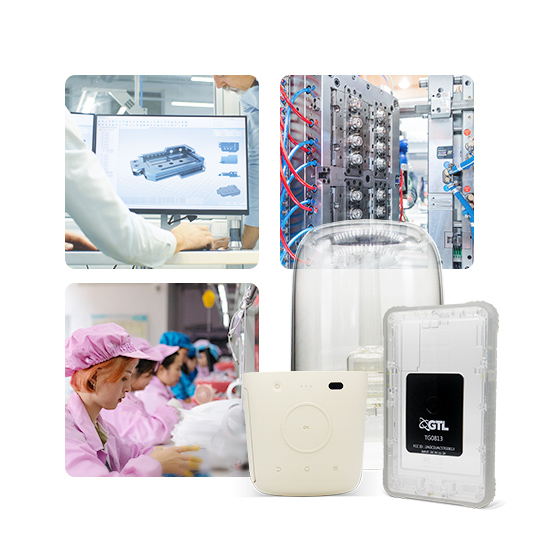
Por eso es tan importante la personalización robusta.Fabricación por contrato de dispositivos UVCRequiere validación a nivel de sistema en lugar de pruebas de componentes aislados. Cumplir con estos estándares exige una ingeniería de hardware UVC avanzada, donde se implementa la medición óptica en múltiples unidades, en múltiples lotes de producción y bajo diferentes condiciones térmicas y de envejecimiento para establecer límites de rendimiento reales.
En términos prácticos, el diseño exitoso de un producto UVC se trata menos de maximizar la irradiancia y más de controlar la estabilidad de la distribución a lo largo del tiempo y a través de la variación de fabricación. Cuando la uniformidad de la dosis, la mitigación de sombras y la estabilidad del material se abordan como un sistema acoplado, la desinfección UVC pasa de ser una capacidad teórica a una característica de ingeniería repetible adecuada para la producción a gran escala. Para evaluar su geometría óptica y explorar soluciones llave en mano paraEsterilizadores UVC personalizadosConsulte a nuestro equipo de desarrollo de sistemas de desinfección a medida en www.atyouhealth.com.
 No. 1-A, Kechuang Center, No. 289 Wengjiao Rd., Haicang Dist., Xiamen, 361000, Fujian, China
 (86)0592-5626338
Suscríbete a nuestro boletín
nuestra empresa matriz

Xiamen Qiqiangsheng Moulds Co., Ltd.
Derechos de autor © 2012-2026 Xiamen Atyou Health Technology Co., Ltd. Todos los derechos reservados.

 español
 English